Our Behavioral Health Service program is a successful, data-driven, and practice-proven initiative that draws upon the expertise of some of our most skilled program professionals. The successful relationships our staff forge with the young people they mentor are absolutely crucial in promoting positive youth development and sound mental health.
RADIANT REFLECTIONS: CONFIDENCE ART THERAPY — Mondays at 6 PM | Ages 8+ | McLaughlin Building
DOC WAYNE: CHALK TALK — Tuesdays at 4 PM | Ages 8 – 10 | Marr Building
GRINS & WINS — Tuesdays at 5 PM | Marr Building
MOVE TO IMPROVE – Tuesdays at 6 PM | Ages 11-13 | Marr Building
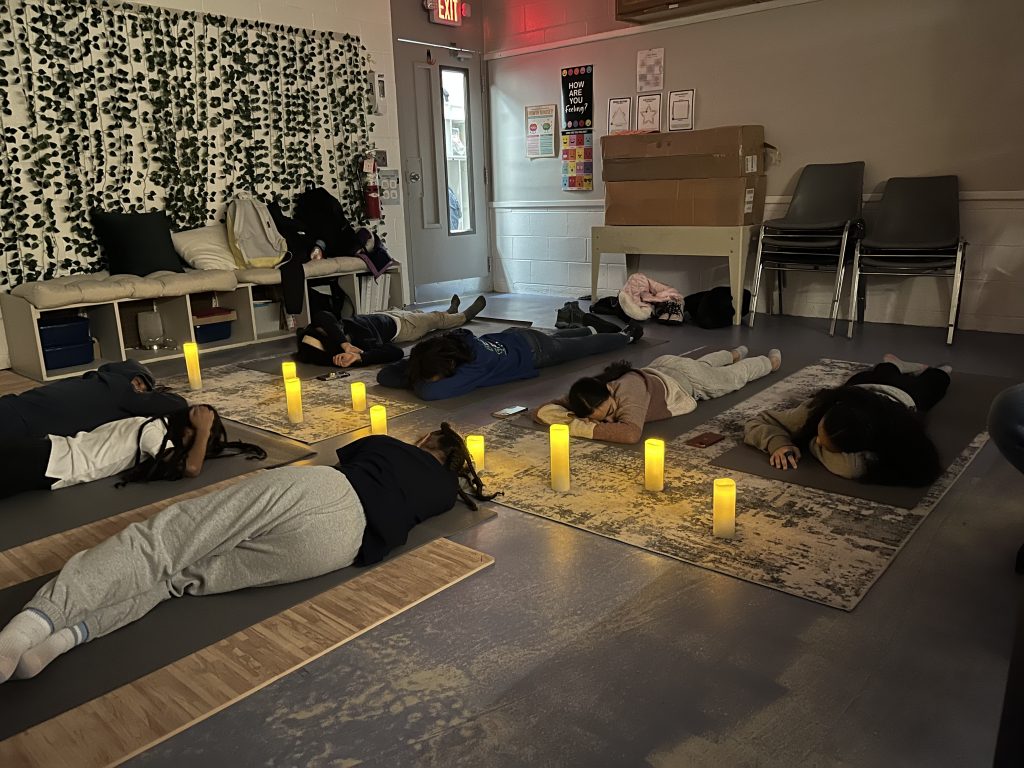
MEDITATION & YOGA – Wednesdays at 6 PM | Ages 9+ | McLaughlin Building
Social Work Services: Our focus revolves around empowering members to uncover and cultivate their unique strengths and passions, while equipping them with skills and strategies to navigate challenges. As advocates for holistic wellbeing, our Social Workers serve as a reliable support system for members and their families. We offer a comprehensive range of therapeutic services and caregivers should feel free to reach out for support for themselves and/or their child.
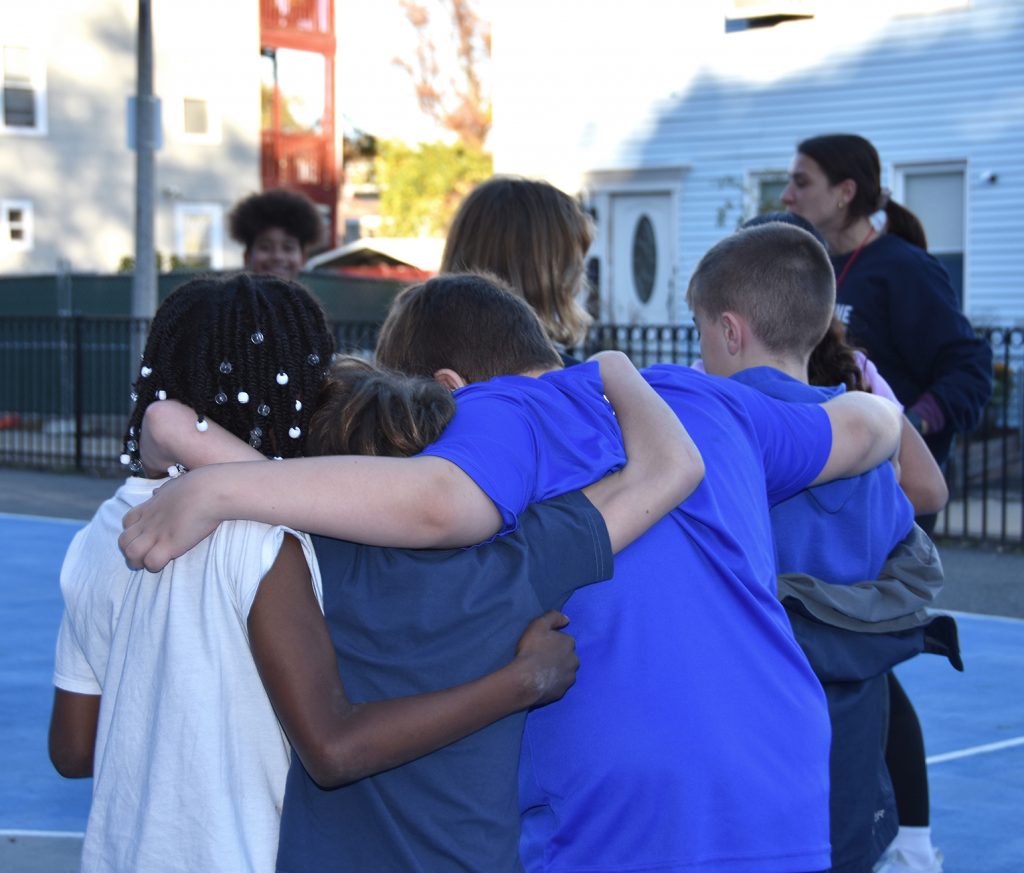
Each group session focuses on curriculum skills derived from one of our 4 pillars: confidence, resilience, teamwork, and communication. Our mental health clinicians, known as “Coaches,” utilize play to foster these skills that can be transferred to the classroom and in the community.
A typical Chalk Talk group allows students to check-in with clinicians about how they are feeling and engage in activities that encourage them to work together, problem solve, communicate effectively, and overcome adversity.